 sales@customrigidboxes.com
 (631) 250-5009


Rigid Boxes vs Kraft Boxes: A Detailed Comparison
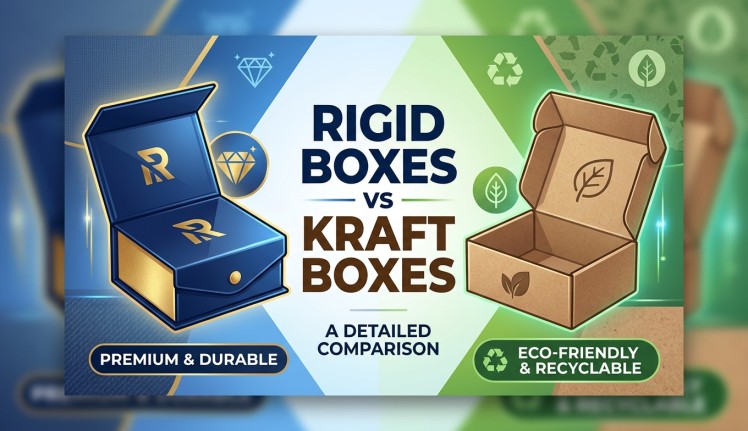
Packaging does more than hold a product. It influences how customers perceive quality, protects products during handling and shipping, supports branding, and can even affect purchasing decisions. For businesses choosing between rigid boxes and kraft boxes, the decision often comes down to more than appearance.
Both packaging options have distinct advantages. Custom rigid boxes are commonly associated with premium presentation, structural strength, and luxury branding. Kraft packaging boxes, on the other hand, are valued for their natural appearance, versatility, affordability, and environmentally conscious appeal.
But which option is right for your product?
This detailed comparison of rigid boxes vs kraft boxes explores their materials, durability, customization options, sustainability, costs, branding potential, and ideal applications. Whether you sell cosmetics, jewelry, apparel, candles, food products, or luxury gifts, understanding the differences can help you choose packaging that fits both your product and your brand.
What Are Rigid Boxes?
Rigid boxes, also known as rigid setup boxes, are premium packaging boxes made from thick and durable paperboard. Unlike folding cartons, they do not collapse easily and are designed to maintain their shape throughout handling, shipping, storage, and presentation.
The core structure is usually made from high-density paperboard or greyboard. This structure can then be wrapped with printed paper, textured paper, specialty paper, or other decorative materials.
Common styles include:
- Magnetic closure boxes
- Two-piece rigid boxes
- Drawer boxes
- Collapsible rigid boxes
- Rigid boxes with lids
- Shoulder neck rigid boxes
- Clamshell boxes
- Custom gift boxes
Because of their sturdy construction and premium feel, luxury rigid boxes are widely used for products where presentation is an important part of the customer experience.
What Are Kraft Boxes?
Kraft boxes are packaging boxes made primarily from kraft paper or kraft paperboard. They are known for their brown, natural appearance, although they can also be produced in white or customized with printing and branding elements.
The term “kraft” generally refers to the type of paper material used in the packaging. Depending on the product and required strength, kraft packaging can be made using different paper weights and board thicknesses.
Popular types of kraft packaging boxes include:
- Folding kraft boxes
- Kraft mailer boxes
- Kraft gift boxes
- Kraft food boxes
- Kraft shipping boxes
- Kraft soap boxes
- Kraft cosmetic boxes
- Custom kraft boxes with logos
Kraft packaging is especially popular among businesses that want a simple, natural, or eco-conscious brand appearance.
Rigid Boxes vs Kraft Boxes: Quick Comparison
| Feature | Rigid Boxes | Kraft Boxes |
| Material | Thick paperboard or greyboard | Kraft paper or kraft paperboard |
| Strength | High | Moderate to high, depending on construction |
| Appearance | Premium and luxurious | Natural and minimal |
| Customization | Extensive | Extensive |
| Cost | Generally higher | Generally more affordable |
| Product Protection | Excellent | Suitable for many lightweight to moderately heavy products |
| Shipping | Often requires additional shipping consideration | Usually lightweight and space-efficient |
| Sustainability | Depends on materials and finishes used | Often associated with recyclable paper-based packaging |
| Best For | Luxury, premium, fragile, and gift products | Retail, food, handmade, natural, and everyday products |
While this comparison provides a general overview, the right choice depends on your product weight, target audience, branding strategy, budget, and shipping requirements.
1. Material and Construction
The biggest difference between rigid packaging boxes and kraft boxes is their construction.
Rigid boxes use thick paperboard that is cut and assembled into a fixed structure. The board is usually wrapped with decorative materials to create the finished appearance. This multi-layer construction gives rigid boxes their solid feel and premium weight.
A rigid box can also include additional components such as:
- Custom inserts
- Foam inserts
- Paperboard dividers
- Ribbon pulls
- Magnetic closures
- Fabric linings
- Printed interior panels
Kraft boxes are generally made from kraft paperboard or corrugated kraft material, depending on the application. Many kraft boxes are designed to fold flat before assembly, making them easier to store and transport.
2. Durability and Product Protection
When comparing rigid boxes vs kraft boxes, durability is often one of the most important factors.
Rigid boxes provide superior structural support because of their thick paperboard construction. They are particularly useful for products that are:
- Fragile
- Heavy
- High-value
- Sensitive to movement
- Intended for gifting
Products such as watches, electronics, perfumes, premium cosmetics, jewelry, and luxury accessories often benefit from rigid packaging combined with a properly designed insert.
A rigid box can help reduce movement inside the packaging and provide an additional layer of protection during handling.
Kraft boxes can also provide reliable protection, particularly when the correct material thickness and structure are selected. Corrugated kraft packaging can be especially effective for shipping and transportation.
However, standard folding kraft packaging boxes may not provide the same level of structural rigidity as a premium rigid setup box.
Packaging creates expectations before the customer even sees the product.
3. Appearance and Brand Perception
Rigid boxes are strongly associated with premium branding. Their weight, structure, smooth surfaces, and opening experience can make a product feel more valuable.
Brands can use luxury packaging boxes to create an elevated unboxing experience through features such as:
- Foil stamping
- Embossing
- Debossing
- Spot UV
- Soft-touch lamination
- Textured paper wraps
- Custom inserts
- Metallic finishes
A custom rigid box can also be designed to create a memorable opening sequence. For example, a magnetic box, ribbon-pull drawer, or two-piece presentation box can add to the perceived value of the product.
Kraft packaging creates a completely different impression.
The natural texture and earthy appearance of kraft material often communicate:
- Simplicity
- Sustainability
- Handmade quality
- Organic branding
- Minimalism
- Authenticity
This makes kraft packaging particularly effective for natural skincare brands, handmade products, organic food businesses, candles, soaps, and environmentally focused companies.
Neither is universally better. The right packaging should match the personality of your brand.
A luxury jewelry brand may benefit from custom rigid gift boxes, while a handmade soap company may find that printed kraft boxes better reflect its identity.
4. Customization and Printing Options
Both rigid and kraft packaging can be customized, but rigid boxes generally provide more opportunities for premium finishing.
Custom Rigid Box Options
With custom rigid boxes, brands can personalize nearly every visible element of the packaging.
Customization options can include:
- Custom sizes
- Unique box structures
- Full-color printing
- Interior printing
- Foil stamping
- Embossed logos
- Debossed details
- Spot UV
- Matte or gloss finishes
- Magnetic closures
- Custom inserts
- Ribbon or fabric accessories
Because rigid boxes are often used for premium products, they can be designed as part of the overall brand experience rather than simply as a protective container.
Custom Kraft Box Options
Custom kraft packaging also offers a wide range of customization possibilities.
Brands can add:
- Printed logos
- Product information
- Custom artwork
- Minimalist graphics
- Black or colored ink printing
- Labels
- Die-cut windows
- Embossed details
- Custom shapes
However, the natural brown surface can influence how colors appear. Brands that require highly precise or vibrant color reproduction may need to consider white kraft material, additional printing layers, or alternative packaging substrates.
5. Sustainability and Environmental Considerations
Sustainability is an important consideration for many modern businesses, but it is important to avoid assuming that one type of packaging is automatically more sustainable than another.
Kraft packaging is often favored because it is paper-based and can be designed using recyclable materials. Its simple construction may also make it easier to avoid unnecessary decorative components.
However, recyclability can depend on the specific materials used, including coatings, adhesives, laminations, inks, and additional components.
Rigid boxes can also be produced using paper-based board and recyclable wrapping materials. However, premium finishes such as plastic laminations, magnets, foam, metallic films, and mixed materials may affect recycling options.
One important advantage of rigid boxes is their durability. A well-designed rigid box may be reused by customers for storage, gifting, or organization.
The better approach: Design for the full packaging lifecycle
Instead of simply choosing between “eco-friendly rigid boxes” or “eco-friendly kraft boxes,” businesses should consider:
- Material sourcing
- Recyclability
- Product protection
- Packaging weight
- Reusability
- Shipping efficiency
- Number of packaging components
- Manufacturing waste
A damaged product that requires replacement can also create additional environmental costs. Therefore, the most appropriate packaging is often the one that balances material efficiency with adequate product protection.
6. Cost Comparison
Cost is one of the clearest differences between the two options.
Rigid boxes wholesale typically cost more than standard kraft boxes because they require thicker materials, more manufacturing steps, and often more detailed finishing.
The price of a custom rigid box can depend on:
- Box size
- Board thickness
- Box style
- Printing complexity
- Finishes
- Inserts
- Order quantity
- Material selection
Kraft boxes are generally more cost-effective, particularly for businesses ordering packaging for everyday retail or shipping applications.
They can also be shipped and stored efficiently when designed as folding cartons or flat-packed packaging.
However, the cheapest packaging option is not always the most cost-effective in terms of branding.
For example, a premium product priced at $200 may benefit more from a high-quality rigid box that reinforces the product’s value. Using inexpensive packaging for a luxury item could create a mismatch between customer expectations and the actual presentation.
7. Shipping and Storage Efficiency
Kraft boxes often have an advantage when it comes to storage and shipping efficiency.
Many Kraft boxes can be supplied flat and assembled when needed. This can reduce the amount of warehouse space required before use.
Rigid boxes, especially non-collapsible styles, are typically shipped in their final structural form. This means they can occupy more storage space.
However, collapsible rigid boxes offer a practical alternative. They provide many of the visual and structural advantages of rigid packaging while folding flat for improved storage and shipping efficiency.
Businesses should consider both the cost of the box and the operational costs associated with:
- Warehouse space
- Assembly time
- Shipping volume
- Product weight
- Distribution requirements
8. Which Products Are Best for Rigid Boxes?
Custom rigid boxes are particularly suitable for products where presentation and perceived value matter.
Common applications include:
- Luxury cosmetics
- Perfume packaging
- Jewelry
- Watches
- Electronics
- Premium apparel
- High-end accessories
- Corporate gifts
- Influencer kits
- PR packages
- Subscription boxes
- Luxury candles
- Gift sets
These products often benefit from the premium appearance, durability, and customization flexibility of rigid box packaging.
A rigid box is especially effective when the packaging is part of the customer’s overall experience.
9. Which Products Are Best for Kraft Boxes?
Kraft boxes are versatile and work well across many industries.
They are commonly used for:
- Handmade soaps
- Organic skincare
- Candles
- Food products
- Bakery items
- Coffee and tea
- Apparel
- Small retail products
- Subscription packaging
- Shipping products
- Promotional items
Brands that want an earthy, minimalist, handmade, or environmentally conscious appearance often choose custom kraft boxes with logos.
Kraft packaging can also be an excellent choice for businesses that need attractive branded packaging without the higher production costs associated with luxury rigid packaging.
Rigid Boxes vs Kraft Boxes: Which One Should You Choose?
The answer depends on what your packaging needs to accomplish.
Choose custom rigid boxes if you need:
- A luxury presentation
- Strong structural protection
- A memorable unboxing experience
- Premium printing and finishing
- Custom inserts
- Higher perceived product value
Choose kraft packaging boxes if you need:
- Cost-effective packaging
- Lightweight construction
- Efficient storage
- A natural or minimalist appearance
- Practical customization
- Flexible packaging for everyday products
Some businesses may even benefit from using both.
For example, a premium brand could use rigid gift boxes for its flagship products and kraft packaging for shipping accessories, lower-priced items, or promotional materials.
The key is to match the packaging to the product, customer expectations, and overall brand strategy.
Final Thoughts
The comparison between rigid boxes vs kraft boxes is not simply about choosing between premium and affordable packaging. Each option serves a different purpose.
Before making a decision, consider your product’s weight, fragility, price point, shipping requirements, target audience, and branding goals. The best packaging is the one that protects your product while making sense for your business.
At Custom Rigid Boxes, we help businesses create packaging that is built around their products and brand requirements. From custom rigid boxes and luxury gift packaging to specialized inserts, premium finishes, and tailored box styles, our team can help you develop packaging that looks as good as the product inside. Request a quote or order samples today to find the right rigid packaging solution for your brand.
FAQs
In most cases, yes. Rigid boxes are made from thick paperboard and maintain a fixed structure, making them more suitable for premium, fragile, or high-value products. Kraft box strength depends on the paperboard or corrugated material used.
Generally, yes. Kraft boxes usually require less material and simpler manufacturing processes, making them a more affordable option for many standard packaging applications.
Yes. Custom rigid boxes can be personalized with printed logos, foil stamping, embossing, debossing, spot UV, textured wraps, and other premium finishing options.
Rigid boxes can be designed using recyclable paper-based materials, but recyclability depends on the complete construction. Components such as magnets, foam inserts, plastic laminations, and mixed materials may need to be separated or handled differently.
For products where premium presentation and customer experience are important, luxury rigid boxes are often a strong choice. They provide a substantial feel, extensive customization options, and the ability to include protective inserts and high-end finishes.
