 sales@customrigidboxes.com
 (631) 250-5009


A Complete Beginner’s Guide to Rigid Packaging
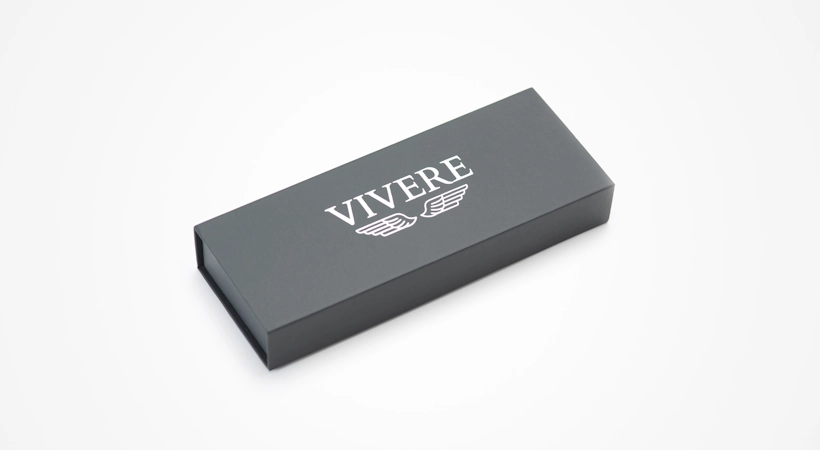
Product packaging plays an important role in every industry. It makes how customers see a product and helps keep it safe. Brands look for packaging that is strong, secure, and attractive at the same time. Thus, selecting the right packaging is not always easy.
Among the many packaging options available, rigid packaging is one of the most widely used. It is known for its durability and premium look. Rigid packaging protects products and improves their presentation, from beauty items on store shelves to heavy industrial products.
This guide explains what rigid packaging is, its key benefits, common uses, and the latest trends. It shows why rigid packaging continues to be a trusted choice across many industries.
What Is Rigid Packaging?
Rigid packaging is packaging that does not bend or fold easily. It keeps its shape even when it is empty. This type of packaging is made to protect products from damage. It is strong, stable, and reliable. Once shaped, it stays the same during storage, shipping, and display.
Rigid packaging is different from flexible packaging. Flexible packaging can bend, fold, or collapse. Rigid packaging stays firm and solid. Many products that need extra safety or a premium look use rigid packaging.
Which Materials Are Used in Rigid Packaging?
Rigid packaging is made from sturdy materials. Each material has its own use and benefits, which are as follows:
- Glass
Glass is one of the oldest rigid packaging materials. It is strong, does not react with food or liquids, and is both reusable and recyclable.
It is commonly used for food jars, beverage bottles, perfume bottles, and medical containers, protecting while maintaining a clean and premium appearance.
- Metal
Metal is another strong rigid packaging material. Aluminum and steel are widely used because they protect products from light, air, and moisture, and are also easy to recycle.
This packaging is often used for food cans, beverage cans, tins, and industrial containers, offering durability and reliable protection.
- Rigid Plastics
Rigid plastics are lightweight yet strong, making them popular for their durability and ease of shaping. Common types include PET, HDPE, and PP.
This packaging is used for bottles, containers, jars, and clamshells, providing both protection and convenience.
- Paperboard
Paperboard is a thick and sturdy paper often used to make premium boxes. It provides a clean look and works well for printing and branding.
It is typically used for gift boxes, electronics boxes, and luxury product boxes, improving the product’s presentation while keeping it secure.

What are the Benefits of Rigid Packaging?
Rigid packaging provides several benefits for both products and brands. Some of the key advantages include:
- Strong Product Protection
Rigid packaging protects products from impact, pressure, crushing, and rough handling. This makes it ideal for fragile and valuable items, keeping them safe during storage and transport.
- Long-Lasting Durability
Rigid packaging maintains its shape for a long time and does not tear or collapse easily. This durability helps products stay secure during shipping and storage, ensuring they reach customers in perfect condition.
- Premium Look and Feel
Rigid packaging feels solid and sturdy, giving products a high-quality appearance. This premium feel makes it a popular choice for luxury and branded items, improving their overall presentation.
- More Branding Opportunities
Rigid surfaces are perfect for printing, labels, and finishes. Brands can use this space to create clear and attractive designs that draw attention, helping products get noticed and remembered by customers.
- Better Shelf Visibility
The sturdy structure of rigid packaging allows for complex and attractive designs, making it ideal for premium products. Transparent materials such as glass and certain plastics let customers see the product inside, showcasing its quality. This visibility is important in industries like cosmetics, where customers want to check the color and texture before making a purchase.
Rigid Packaging in Different Industries
Rigid packaging is used across many industries, providing protection and a luxurious look. Here are some common industries:
- Food and Beverage Industry
In the food and beverage industry, rigid packaging is commonly used for glass jars, metal cans, and plastic containers. It helps keep food fresh, safe, and well-presented, ensuring products reach customers in good condition.
- Cosmetics and Personal Care
Beauty products often depend on rigid packaging, such as cream jars, lotion bottles, and perfume containers. This packaging adds a premium feel and clean appearance, making products more appealing to customers.
- Electronics Industry
Electronics require strong protection, and rigid boxes provide this. They prevent damage during shipping and storage while improving product presentation and overall customer experience.
- Pharmaceutical and Healthcare
Medicines and healthcare products need safe and reliable packaging. Rigid packaging, including pill bottles, medical containers, and vials, protects the products and maintains their quality throughout storage and transport.
- Luxury and Retail Products
Luxury and retail items often use rigid packaging to improve appearance and create a strong first impression. It provides both protection and an elegant presentation.

Latest Trends in Rigid Packaging
Rigid packaging continues to evolve with new ideas and needs. Below are some of the latest trends:
- Sustainable Rigid Packaging
Brands are increasingly using recycled materials and eco-friendly options in rigid packaging. These choices help reduce environmental impact while maintaining product protection and presentation.
- Advanced Printing Techniques
Improved printing methods allow for sharp designs, clear branding, and detailed graphics. They make products more attractive and improve their overall shelf appeal.
- Custom Shapes and Designs
Many brands now choose unique shapes and structural designs. Rigid packaging helps create a strong brand identity and makes products more recognizable to customers.
- Smart Packaging
Some rigid packaging now includes digital features such as QR codes. These innovations help share product information, engage customers, and tell brand stories effectively.
- Minimal and Clean Designs
Simple and clean designs are becoming increasingly popular. Minimalist rigid packaging gives products a modern and professional look while keeping them visually appealing.
Conclusion
Rigid packaging is durable, reliable, and provides a premium touch. It protects products while improving their appearance. Its premium feel and sturdy construction make it a popular choice for luxury products.
From food and cosmetics to electronics and healthcare, rigid packaging plays an important role. As materials and designs continue to improve, rigid packaging remains a trusted choice for many industries.
