 sales@customrigidboxes.com
 (631) 250-5009


Chipboard vs Cardboard: Differences & Uses
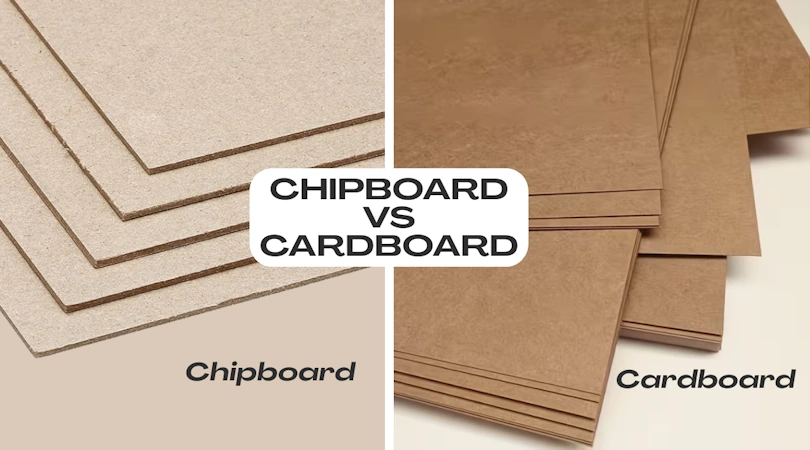
Choosing the right packaging material is very important. It affects how your product is protected, presented, and perceived by customers. Two of the most common options are chipboard and cardboard. Both have their advantages and ideal uses.
In this guide, I’ll explain what each material is, its key differences, and how to select the best one for your needs.
What is Chipboard?
Chipboard is a type of thick, hard paperboard made from recycled paper. It is lightweight but strong enough to provide basic protection for products. Chipboard is smooth and has a solid surface, making it easy to print on or apply labels.
It is commonly used for items like cosmetic boxes, game boards, stationery, and gift packaging. Chipboard is eco-friendly and recyclable. However, it is not as durable as cardboard when it comes to heavy products or long-distance shipping.
Pros of Chipboard
- Chipboard is made from recycled paper, making it an eco-friendly and sustainable packaging choice.
- It has a smooth surface that is perfect for printing sharp, vibrant, and high-quality designs.
- The material is lightweight, which is ideal for products where reducing weight is important.
Cons of Chipboard
- Chipboard is not very strong and may bend or break under heavy weight.
- It is less suitable for shipping or rough handling compared to stronger materials.
- Chipboard is not ideal for very large or bulky products that require extra durability.
What is Cardboard?
Cardboard is a heavier and stronger material than chipboard. It is made from multiple layers of paper, often with a corrugated layer in between for extra strength. Cardboard can be flat or corrugated, depending on the use.
Cardboard is widely used in e-commerce shipping, storage boxes, furniture protection, and packaging for larger products. It provides excellent durability and can handle more weight and rough handling compared to chipboard. Cardboard is also recyclable and often made from recycled materials.
Pros of Cardboard
- Cardboard is strong and durable, especially corrugated types, providing excellent protection.
- It can handle heavier products and rough handling during shipping and storage.
- Cardboard is recyclable and often made from sustainable materials.
- It is suitable for shipping, storage, and industrial uses where protection is important.
Cons of Cardboard
- Cardboard is heavier than chipboard, which can increase shipping costs.
- Its surface may require special coatings for premium-quality printing.
- Cardboard is generally more expensive than chipboard due to its durability and strength.
How to Choose the Right Material for Your Packaging?
When choosing between chipboard and cardboard, consider these factors:
- Product weight: Heavy products need cardboard. Light items can use chipboard.
- Protection needs: If shipping or rough handling is involved, cardboard is safer.
- Budget: Chipboard is more affordable for smaller or decorative items.
- Design and branding: Chipboard gives a smooth surface for printing and luxury finishes.
- Sustainability: Both materials are recyclable, so choose the one that fits your eco goals.
Last Words
Chipboard and cardboard are both important in packaging. Chipboard is lightweight, smooth, and ideal for premium packaging of small or medium items. Cardboard is stronger, more durable, and perfect for shipping and heavier products.
Choosing the right material depends on your product, budget, and branding needs. Understanding the differences helps you make smarter decisions and ensures your products are protected, attractive, and environmentally responsible.
